
Diner-designed on a budget
According to four UFS chefs
Offering diners an opportunity to tailor their own culinary adventures is an important step in responding to the evolving cultural movement of embracing individuality and choice. Our research shows that ordering apps, QR codes and self-service kiosks are now accepted and appealing norms in quick service and casual restaurants.
But while ideas that embrace technology, AI or visual experiences can be costly, you can deliver personalisation in ways that are both cost-effective and creative. With different global perspectives, our UFS chefs are here to help you craft your own version of a diner-designed experience.
Eric Chua Keeps it Simple
It’s important not to overcomplicate things—any menu can embrace that personal feeling with some slight tweaks. Whether it’s organising it according to personality types, zodiac signs or birth months, you create a deeper sense of connection with the person that is tasting it. Even just naming it in a way that builds that personal connection is the simplest way to do it. This does require research, but you should be analysing your customer profile anyway—you’re operating within your own neighbourhood.
Pick and Choose with René Noel Schiemer
Although this trend is often seen as expensive, there are many cost-effective ways of doing it. The easiest one is to start with a core dish that is vegetarian or vegan and then offer add-ons like fish, chicken, beef, etcetera, so you have the base that is simple and affordable, but diners have a choice of building on it. Protein is the most expensive part, so this approach also saves money and reduces waste, all the while creating that key element of flexibility. By keeping the foundation straightforward and letting people personalise with toppings or extras, you can achieve an experience without overcomplicating or overspending.
Joanne Limoanco-Gendrano Embraces Education
I have seen a lot more front-of-house people getting involved in food preparation—even just the simplest action of pouring things or cracking something in front of a diner can create such a buzz. Fine dining started this, with high-end meals like steak tartare conceptualised around the experience of grinding it in front of the customer.
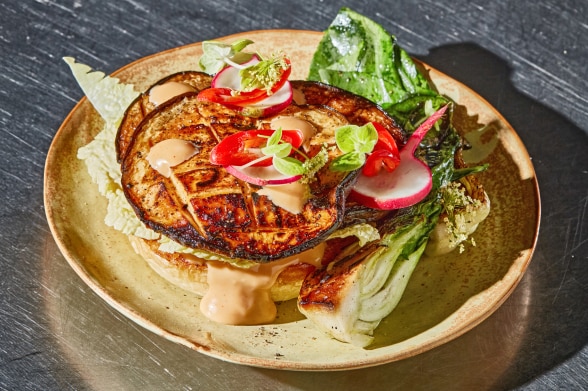
Today, this approach has trickled down into all levels of the food industry. Whether it’s giving a choice of several ready-made sauces or a dim sum cart service where you mix a sauce on the spot—spicy or not—and people can see it. I recently saw a modern Middle Eastern place doing mini shawarmas, sliced and wrapped tableside, pressed over coals. You could even choose to add fries—it’s a little window of choice, but a meaningful one, nonetheless.
Thaís Gimenez Makes Subtle Moves
I think it’s all about the experience—and this can be done on a budget by using data smartly. If a customer always orders his or her beef well-done or celebrates an anniversary at your place every year, you already have the information to anticipate his or her needs. Have a high-chair ready for their child, suggest preparing their meat the way they like it or note the occasion. Even small tweaks, like presenting the same ingredient with a different technique—for example, braised tomatoes instead of seared tomatoes—creates a new experience at no extra cost. It’s about using what you already know about your customers, changing the wording or preparation slightly, and making them feel seen.
That’s personalisation, that’s diner designed, without needing expensive tech or major investment.
From trend to table
More ways to put this trend into practice
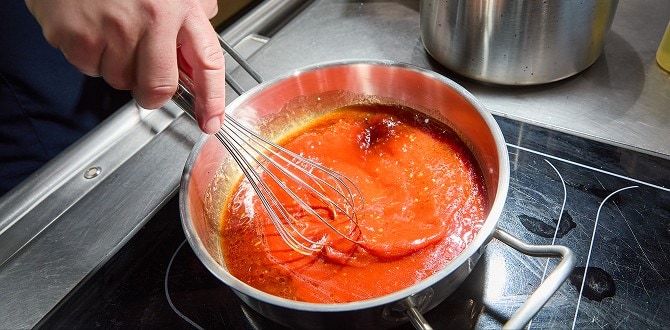
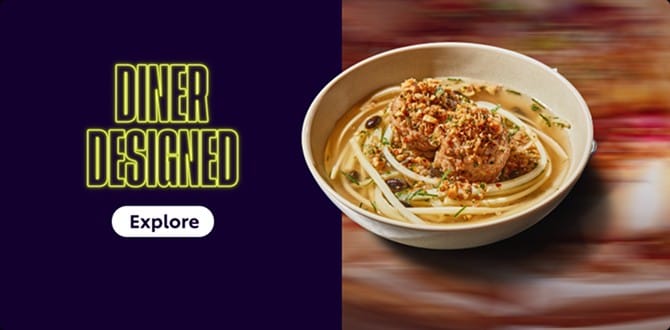
Personalisation doesn’t have to be costly, with creative, flexible choices and thoughtful customisation giving diners more control to shape a unique experience of their own.
Discover Diner Designed recipes
Explore more of Future Menus Vol. 4 trends
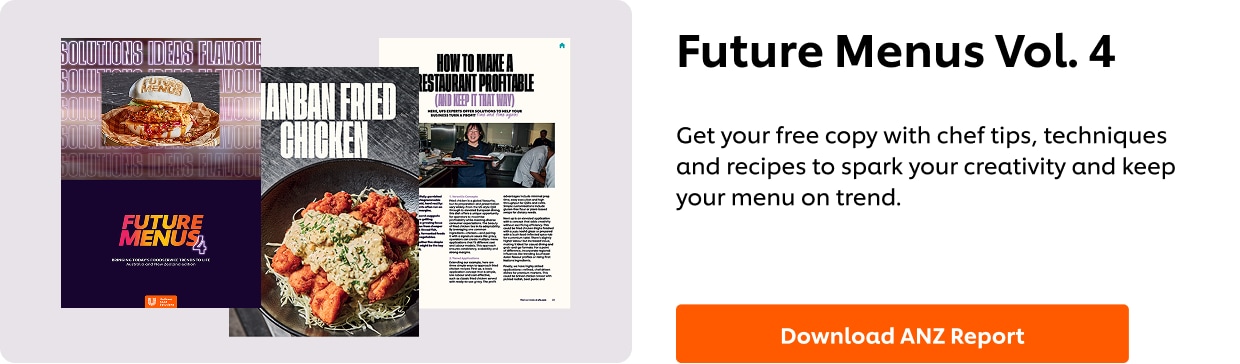
To celebrate the launch of Future Menus Vol. 4, we have an exciting promotion for you!