

Borderless Cuisine
Ingredients to watch
Borderless cuisine is a celebration of international ingredients, flavours and dishes, combining techniques and formats from around the world to create something that truly is greater than the sum of its parts.
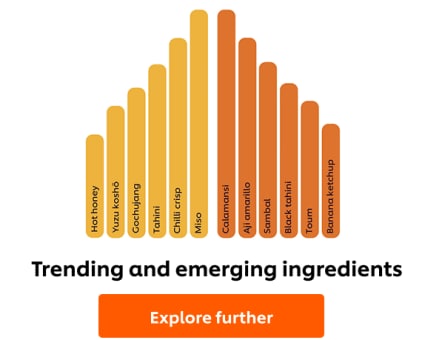
From fermentation methods that cross cuisines to diaspora-led pantry ingredients that are becoming mainstream, there are some stand-out ingredients making their mark within this trend.
Harissa
A North African chilli paste, harissa is often made with roasted red peppers, garlic and spices such as cumin and coriander. More recently, its smoky, spicy flavour has gone mainstream, and it is now used to elevate roasted vegetables, meats and pasta dishes.
Calamansi
A small Southeast Asian citrus fruit that delivers sharper acidity than lime with a slightly floral finish,calamansi works beautifully in dressings, marinades, seafood dishes and grilled chicken, delivering brightness without overpowering other flavours. For chefs, it offers an easy way to add freshness and a distinctive citrus profile to fusion-led dishes.
Wattleseed
This native Australian ingredient provides deep roasted, nutty flavours that work across savoury and sweet applications— think spice rubs and sauces to breads and desserts—making it one of the most versatile native ingredients available to chefs. Wattleseed adds provenance and a distinctly local sense of
place, which is especially valuable in borderless cooking.
Toum
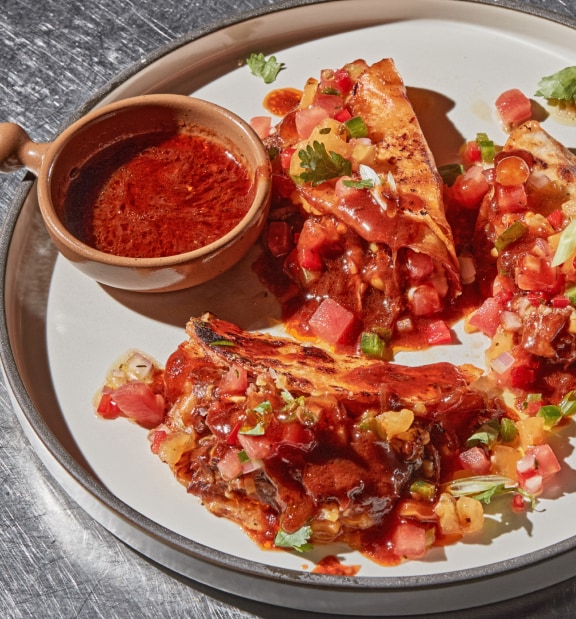
Toum is a traditional Levantine garlic sauce made by emulsifying garlic, oil, lemon juice and salt into a thick, intensely flavoured spread. As a dip, burger spread, shawarma accompaniment, sauce or grilled meat finish, toum delivers trong flavour impact with familiar ingredients and excellent crossover into casual dining formats.
Black Tahini
Black tahini comes from black sesame seeds, giving it a deep, earthy flavour and a striking dark colour compared with standard tahini. It works well in dressings, desserts, brunch dishes, sauces and premium plating where flavour and visual contrast matter. It offers chefs a refined evolution of a familiar ingredient, helping menus feel current without requiring major operational change.
Cacioricotta
Cacioricotta is a southern Italian cheese that sits somewhere between a hard ricotta and an aged grating cheese, offering a savoury and slightly tangy flavour. Its versatility makes it well suited to borderless cooking, where it can be shaved over grilled vegetables, paired with Middle Eastern spices or used to add richness to modern fusion dishes. For chefs, it delivers familiarity and premium appeal while offering a point of difference from more established cheeses.
From trend to table
More ways to put this trend into practice
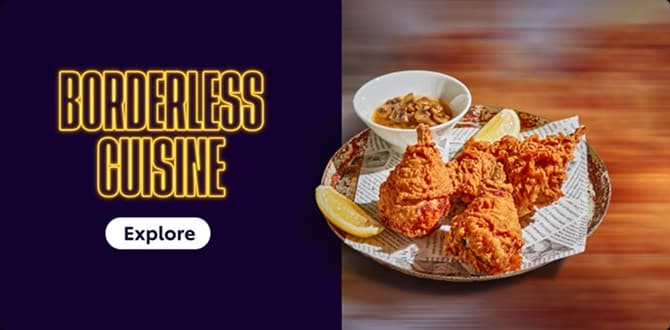
International ingredients are crossing culinary boundaries, with global flavours, fermentation techniques and diaspora-led staples entering the mainstream.
Discover Borderless Cuisine recipes
Explore more of Future Menus Vol. 4 trends
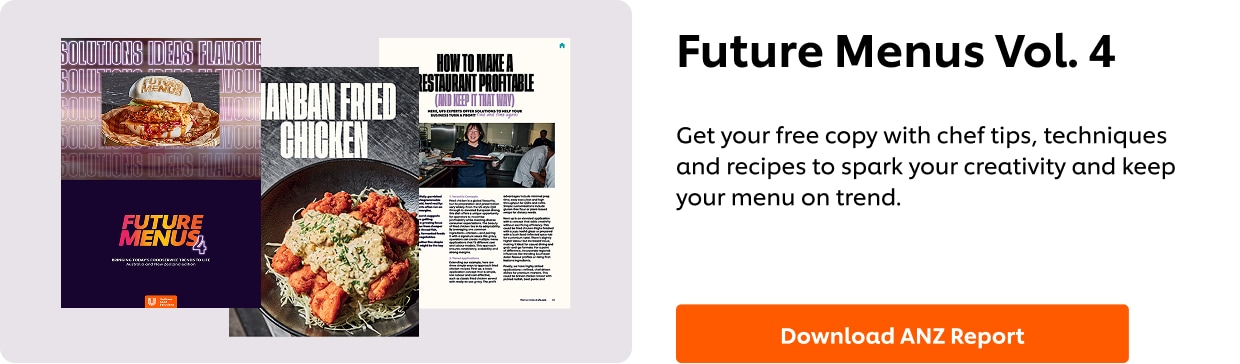
To celebrate the launch of Future Menus Vol. 4, we have an exciting promotion for you!